V‘s selected works
Aria Dean, Andriu Deplazes, Nour Jaouda, Shahryar Nashat, Zöe Paul, and Jessy Razafimandimby
16.05. – 27.06.2026
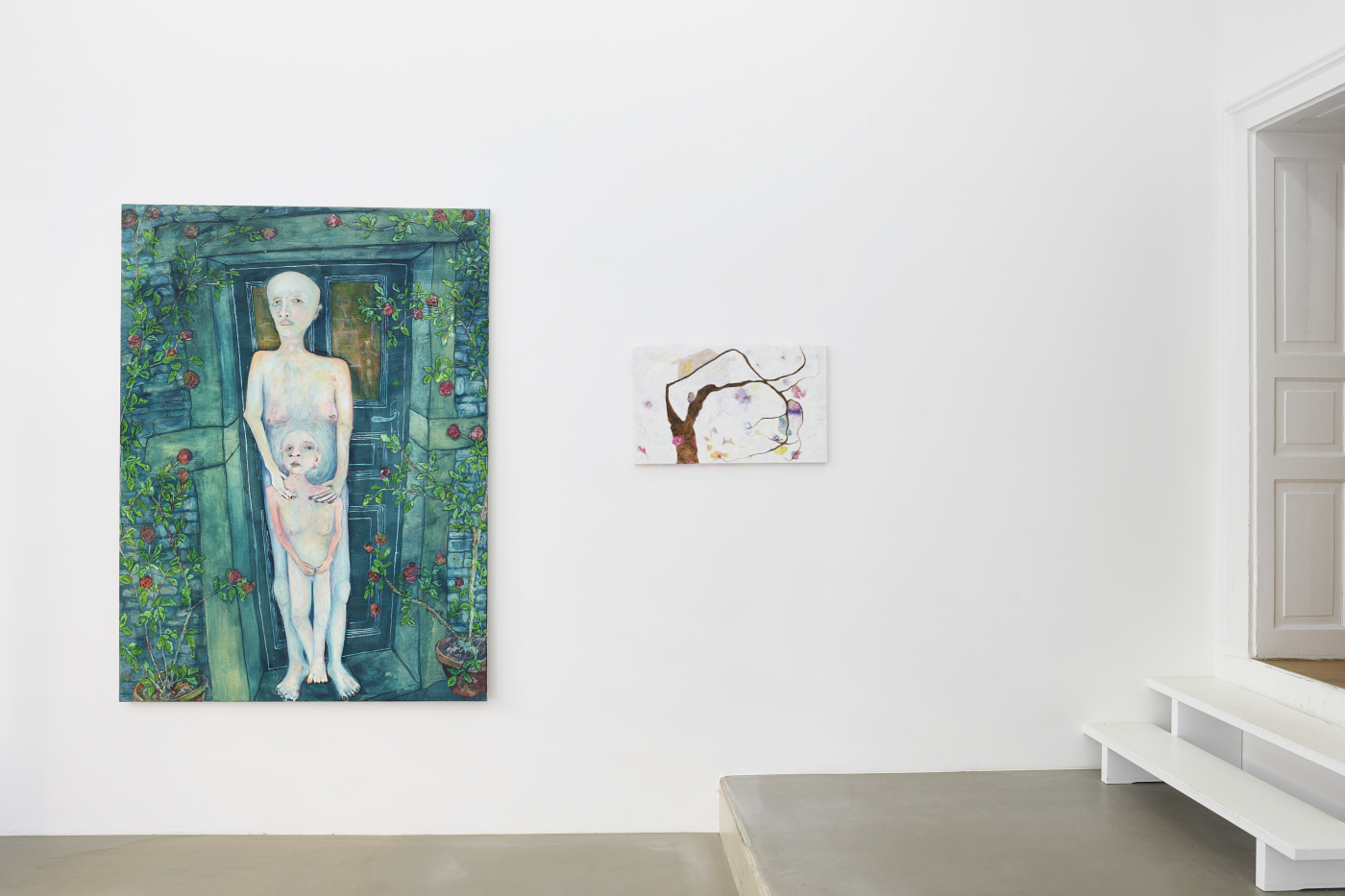
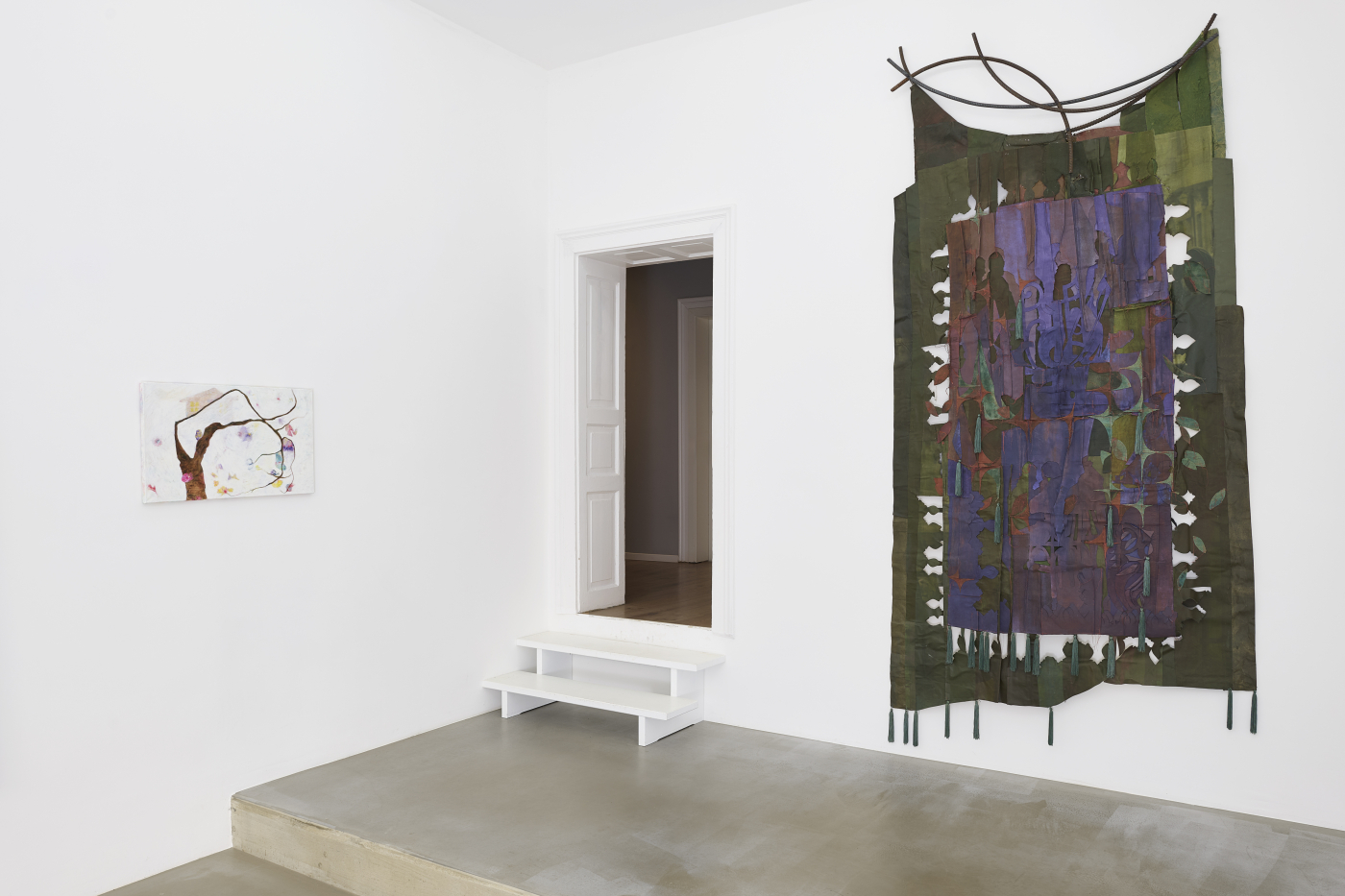
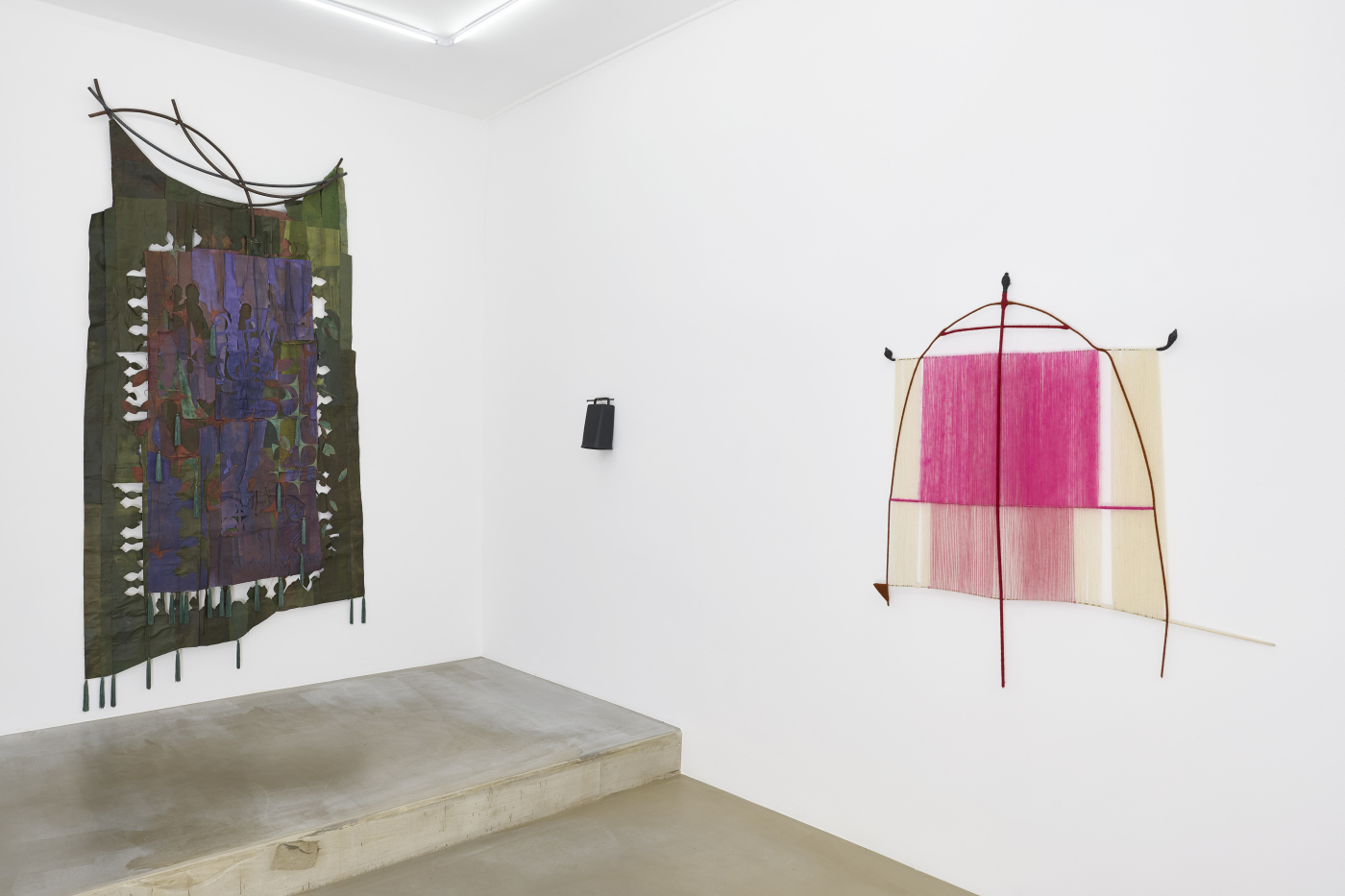
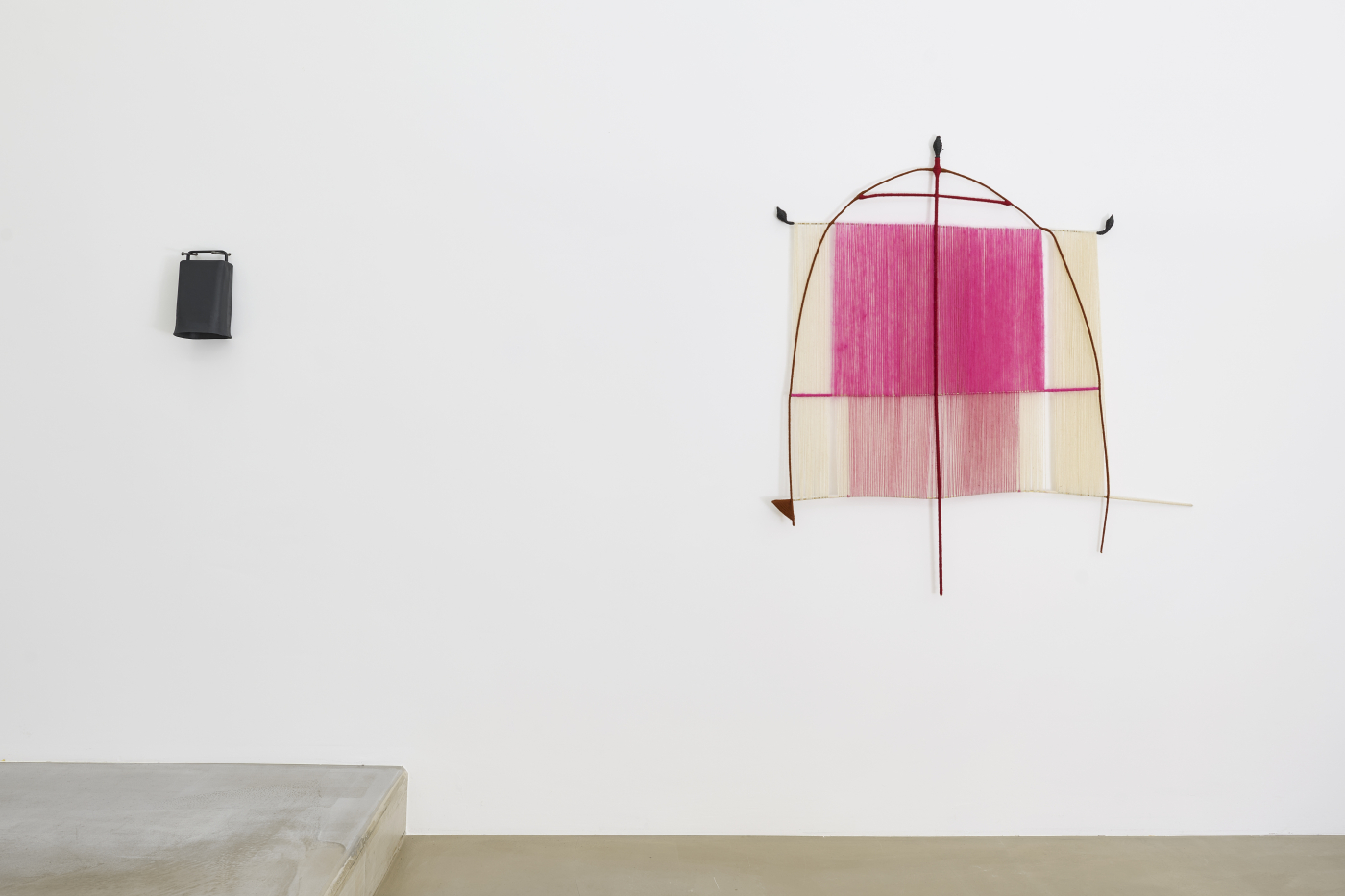
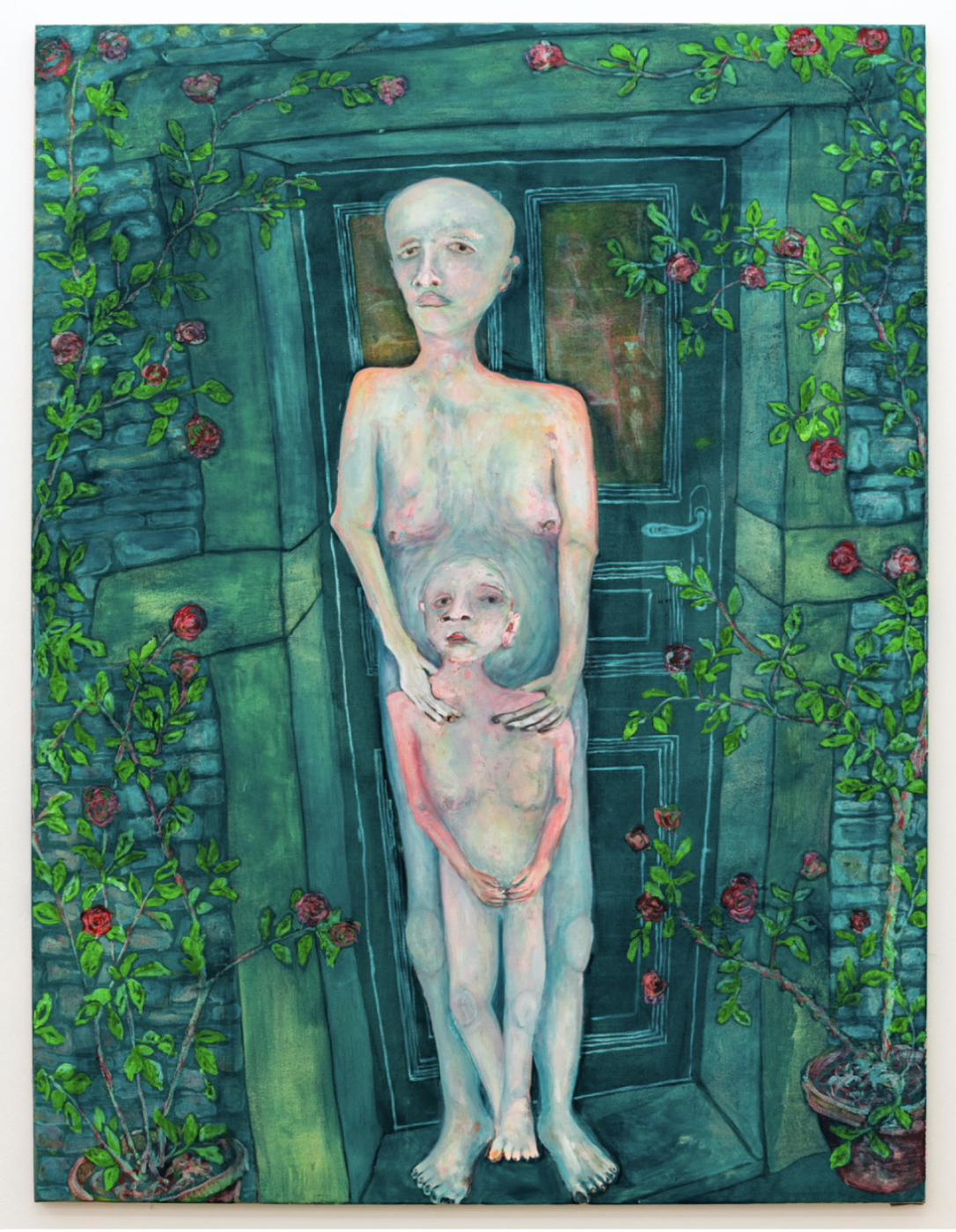
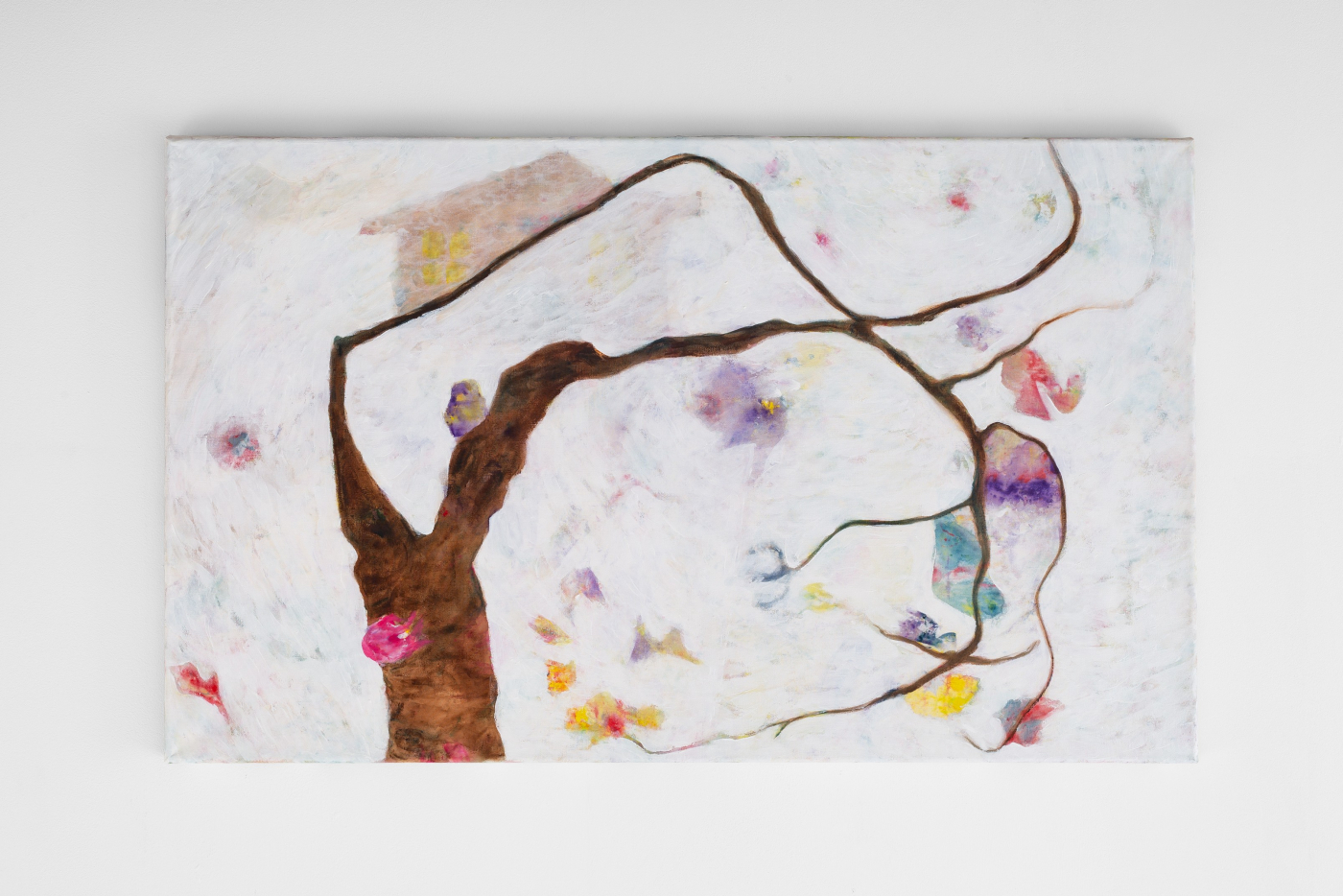
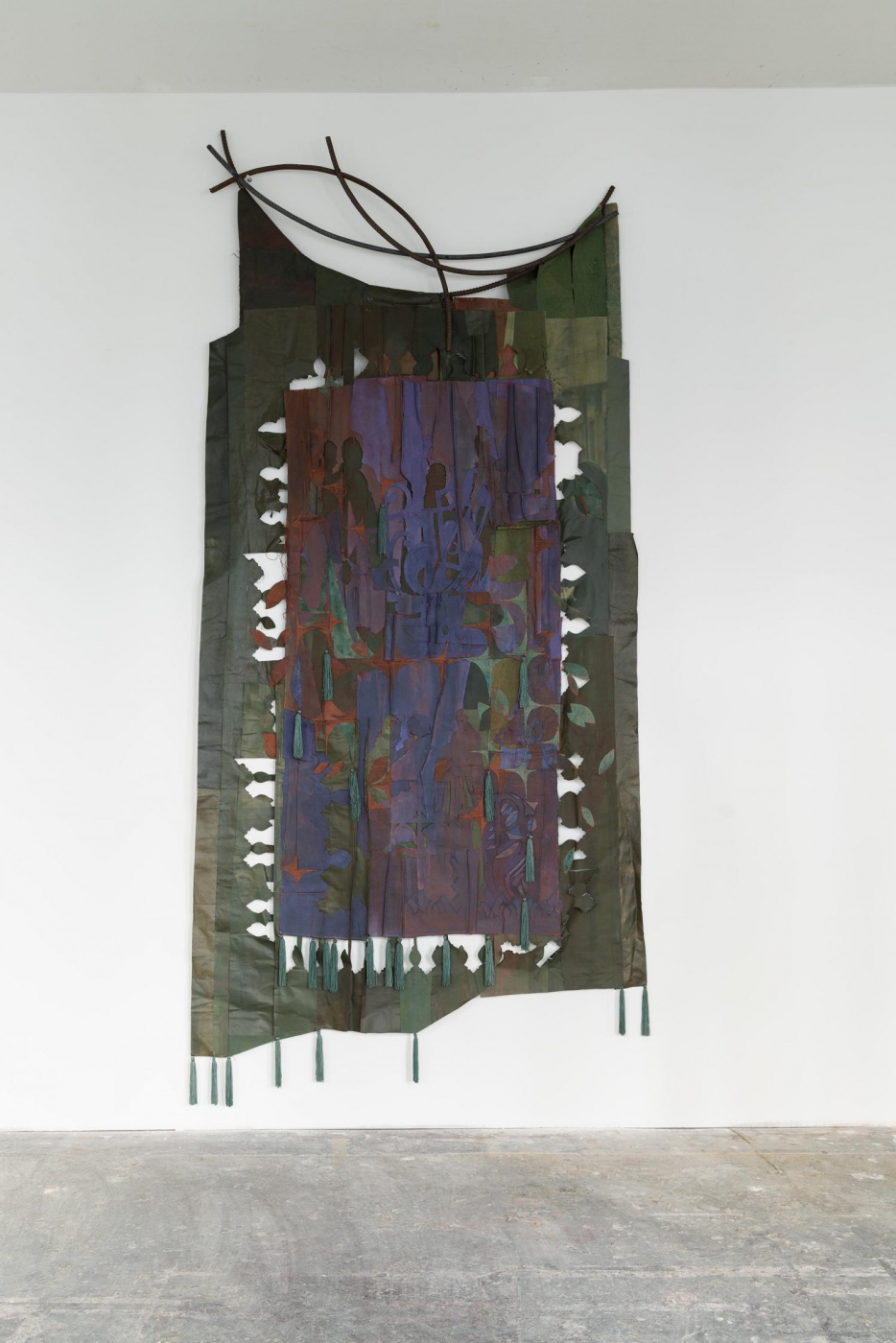
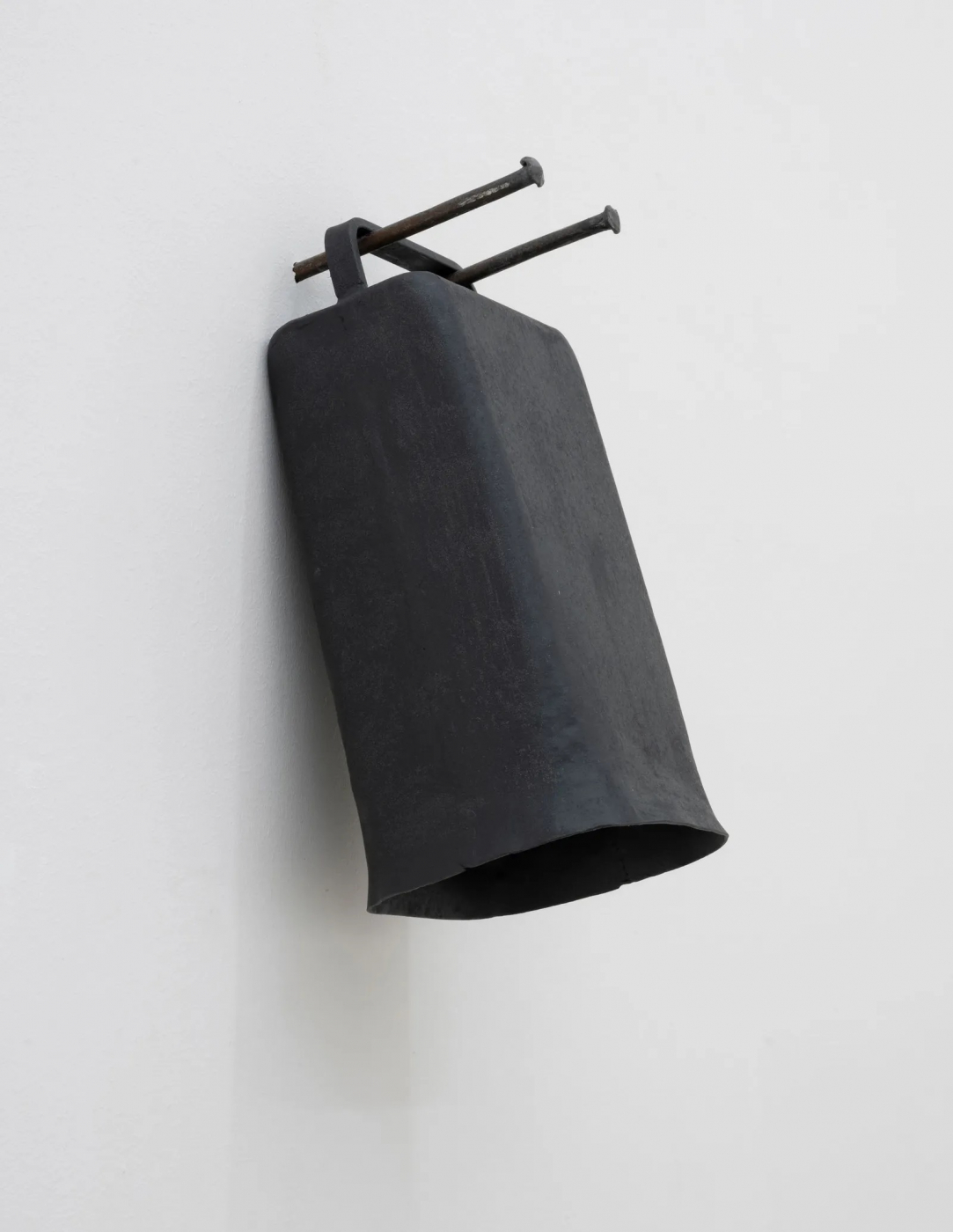
V‘s selected works brings together works from beacon collection by Aria Dean, Andriu Deplazes, Nour Jaouda, Shahryar Nashat, Zöe Paul, and Jessy Razafimandimby. The works in this exhibition collectively examine how materiality, body, image, space, and cultural inscription continuously intersect and shift.
Moving beyond disciplinary boundaries, these architectural and artistic practices engage surface as a dynamic site where cultural inscription becomes visible and operative. The exhibition explores how cultural knowledge is embedded, preserved, spatially experienced, and transformed.
Aria Dean introduces a media-reflexive dimension linking material and spatial logics to digital image systems. Her work and writing examine how identity, history, and representation are produced through infrastructures of circulation, simulation, and algorithmic coding. Surface becomes an operational interface where cultural inscription is continuously processed, displaced, and reformulated within technological regimes.
In Andriu Deplazes‘ architectural practice, material functions as both tectonic logic and cultural register: structure, construction, and surface shape how space is perceived, inhabited, and historically understood. Surface emerges not as a neutral skin, but as the result of layered decisions through which material necessity and cultural meaning are continuously intertwined.
In Nour Jaouda’s practice, fabric, pigment, and gesture are repeatedly worked and reworked into layered textiles that hold traces of displacement, memory, and shifting identity. Thus, forming porous surfaces that absorb and reorganize cultural experiences over time.
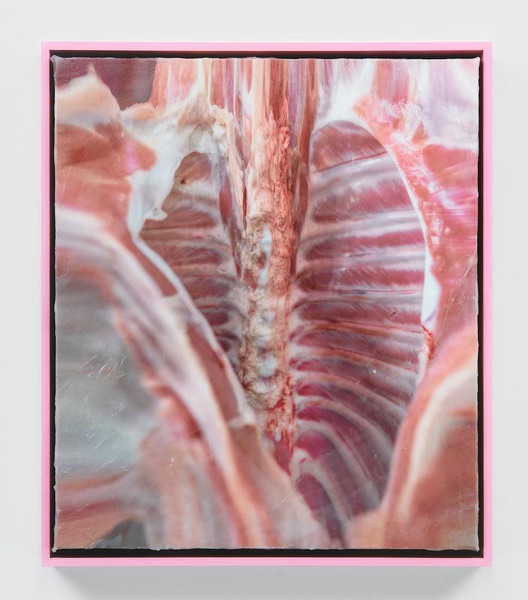
Shahryar Nashat approaches the body as an ambivalent surface of projection and cultural coding, where fragmented forms and controlled visual fields generate tension between desire and withdrawal, proximity and distance.
Zöe Paul extends these concerns into spatial and bodily experience through textile-based installations that shape movement, proximity, and perception. Here, cultural inscription becomes tangible — not only seen, but physically enacted through shifting relations of distance, touch, and containment.
Jessy Razafimandimby‘s work treats the canvas – often domestic textile materials – as a site of construction rather than representation. Through repetition and the accumulation of marks, he reconfigures familiar visual and spatial codes into open-ended structures where memory and everyday environments intersect.